

laughing gull. (Larus ridibundus).
as a player, occupies almost the entire Palearctic, although it is more abundant in the countries of Central and Northern Europe and less in the Mediterranean basin. In Spain, is a recent colonizer.
In our country, playing regularly in the Mediterranean coasts, in lagoons of La Mancha, in the valley of the Ebro and exceptionally well placed in the Atlantic and Cantabrian coasts.
The most abundant colony, is located in the Ebro Delta, followed by those of La Mancha, Andalucia coast and east coast.
nests near wet areas, both fresh and brackish water and make a living when you can do it in marshes and fishing ports, but also frequent garbage dumps and agricultural fields where it is common to see them following the plowshares.
It feeds on insects, annelids, crustaceans and small fish. Also included in their diet waste and a certain proportion of plant material.
Although the two partners involved in building the nest, the male that chooses the location and construction begins, this is a plant motherland structure approximately 25-30 cm tall, 40-50 cm diameter and 5 cm deep. In this platform, which at times may amount to several hundred colonies of pairs, where the female lays two to three eggs of variable color, both parents incubated for 23-24 days. Of these chicks will be born covered with abundant and cryptic down, they leave the nest within a few days wandering around the area and reach their full development at 35 days.
as a player, occupies almost the entire Palearctic, although it is more abundant in the countries of Central and Northern Europe and less in the Mediterranean basin. In Spain, is a recent colonizer.
In our country, playing regularly in the Mediterranean coasts, in lagoons of La Mancha, in the valley of the Ebro and exceptionally well placed in the Atlantic and Cantabrian coasts.
The most abundant colony, is located in the Ebro Delta, followed by those of La Mancha, Andalucia coast and east coast.
nests near wet areas, both fresh and brackish water and make a living when you can do it in marshes and fishing ports, but also frequent garbage dumps and agricultural fields where it is common to see them following the plowshares.
It feeds on insects, annelids, crustaceans and small fish. Also included in their diet waste and a certain proportion of plant material.
Although the two partners involved in building the nest, the male that chooses the location and construction begins, this is a plant motherland structure approximately 25-30 cm tall, 40-50 cm diameter and 5 cm deep. In this platform, which at times may amount to several hundred colonies of pairs, where the female lays two to three eggs of variable color, both parents incubated for 23-24 days. Of these chicks will be born covered with abundant and cryptic down, they leave the nest within a few days wandering around the area and reach their full development at 35 days.


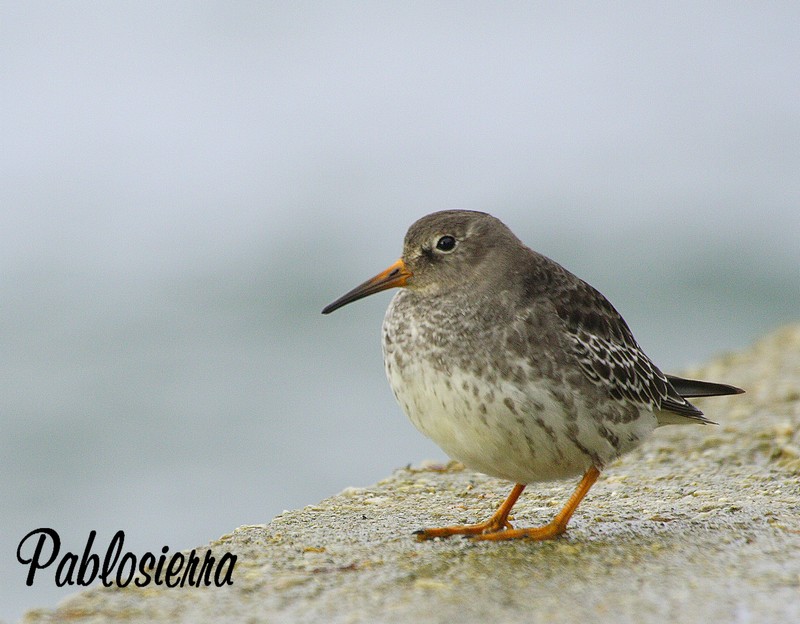

 Sandpiper

